Custom CNC Parts vs Standard Components | What’s Best for Your Project?

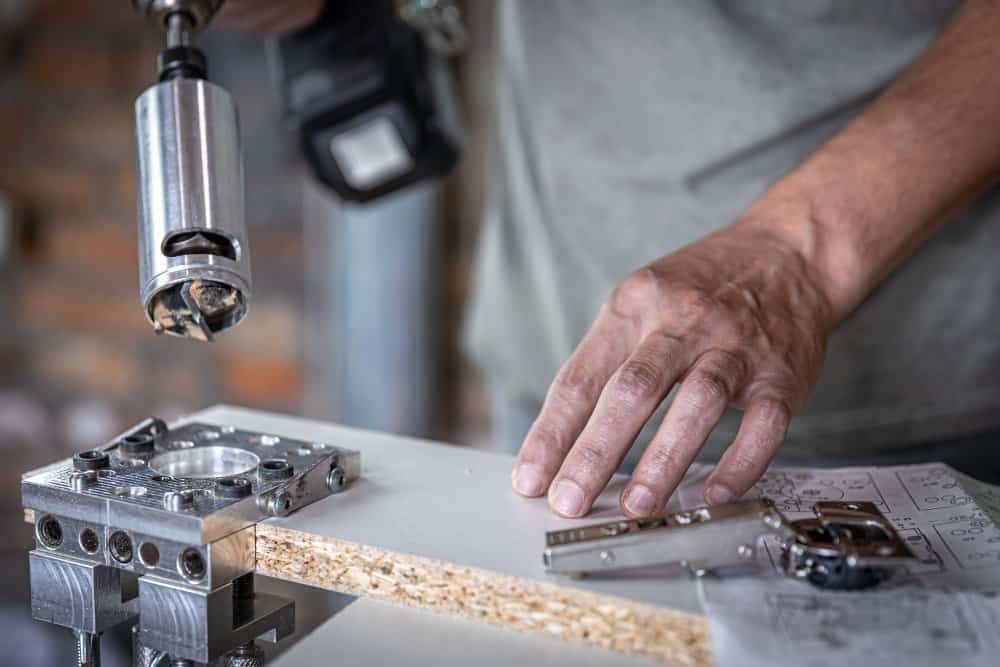
The best choice depends on your project’s design complexity, performance requirements, and production volume. Custom CNC parts are ideal for precision, specialized materials, and unique designs, while standard components work well for simple parts, faster production, and cost control.
Choosing the right option directly affects quality, cost efficiency, and scalability. This guide explains the key differences and decision factors to help you select the most suitable manufacturing approach for your project.
What Are Custom CNC Parts?
Custom CNC parts are precision components manufactured using CNC machining services to meet exact project specifications. These parts are designed for applications requiring tight tolerances, complex geometries, and specialized materials.
Custom CNC machining provides:
- High precision for critical applications
- Complex geometries and intricate designs
- Custom material options for durability or weight optimization
- Tailored surface finishes or coatings
Industries such as aerospace, automotive, medical, and industrial machinery often rely on custom CNC parts to ensure reliable, high-performance results.
What Are Standard Components?
Standard components are pre-manufactured, off-the-shelf parts made according to industry specifications. Examples include shafts, brackets, housings, fasteners, and other commonly used components.
They are ideal when:
- Designs are straightforward and widely supported
- Speed to market is essential
- Cost efficiency is a priority
- Maintenance and replacement simplicity is needed
Comparison Table | Custom CNC Parts vs Standard Components
This table provides a quick reference to evaluate custom CNC parts versus standard components, helping manufacturers make informed choices based on project complexity, material needs, cost, and scalability:
| Feature | Custom CNC Parts | Standard Components |
| Design Flexibility | High and supports complex geometries and tight tolerances | Limited but predefined shapes and sizes |
| Material Options | Wide variety including specialty metals and alloys | Common metals only |
| Cost | Higher upfront, long-term cost effective | Lower upfront, may not optimize long-term efficiency |
| Lead Time | Requires machining time | Immediately available |
| Performance & Reliability | High & ideal for critical or high-stress applications | Adequate for general applications |
| Scalability | Flexible for prototyping, low/medium volumes | Best for high-volume production |
| Maintenance & Replacement | Custom parts may require careful planning | Easily replaced and maintained |
| Ideal Use Case | Specialized applications requiring precision | Simple designs, budget-friendly, fast production |
By reviewing the table, you can determine which manufacturing option aligns with your project goals. Custom CNC parts excel in precision, flexibility, and critical applications, while standard components offer speed, affordability, and simplicity for general use.
When to Choose Custom CNC Parts
Choosing custom CNC parts is ideal for projects where precision, performance, and reliability are critical. These parts are tailored to meet exact specifications and are engineered to perform under demanding conditions.
Custom CNC parts are best suited for projects that require:
- High-stress or safety-critical applications
- Complex or intricate designs
- Specialized materials or finishes
- Unique designs not achievable with standard components
If your project demands accuracy, durability, and high performance, custom CNC parts provide the flexibility and precision necessary to meet stringent requirements. They are the go-to choice for specialized applications where standard components cannot deliver.
When Standard Components Make Sense
Standard components are ideal when projects prioritize speed, cost efficiency, and simplicity. These off-the-shelf parts are widely available and can support general-purpose applications with minimal design or material customization.
Standard components are best suited for:
- General-purpose or simple designs
- Fast production timelines
- Budget-conscious projects
- Ease of maintenance and replacement
For projects where time, cost, and simplicity outweigh the need for high precision or customization, standard components provide a reliable and efficient solution. They are perfect for straightforward applications and large-scale production with minimal design complexity.
Scalability and Future Production Planning
Custom CNC parts are ideal during prototyping, low to medium volume production, and early-stage design validation. As demand grows, these parts can often be adapted to other manufacturing processes.
Standard components scale efficiently for high-volume production but may limit future design improvements or performance upgrades. Early planning for scalability ensures long-term efficiency.
Common Mistakes to Avoid When Choosing
Avoid these pitfalls when selecting between custom CNC parts and standard components:
- Focusing only on upfront cost
- Choosing standard components for complex designs requiring precision
- Ignoring scalability and future production needs
- Overlooking material and tolerance requirements
- Skipping consultation with manufacturing experts
By avoiding these common mistakes, manufacturers can make informed decisions, ensure optimal part performance, production efficiency, and long-term scalability, and prevent costly errors during the manufacturing process.
Factors That Impact Your Choice
Selecting between custom CNC parts and standard components isn’t just about cost or availability. Several critical factors influence which option will best meet your project’s goals. Understanding these elements ensures you make an informed decision and avoid costly errors during production.
Production Volume
High-volume production often favors standard components because they are readily available and cost-efficient for large batches. Conversely, custom CNC parts are ideal for low-to-medium volume production where precise specifications and customization are required.
Part Complexity
Intricate designs, tight tolerances, and unique geometries typically require custom CNC machining. Standard components are suitable for simple or commonly used designs that do not demand extreme precision.
Material Requirements
If your project needs specialized materials such as stainless steel alloys, brass, or other high-performance metals, custom CNC parts are the best choice. Standard components are usually made from commonly available materials and may not meet specialized requirements.
Lead Time and Budget
Standard components provide quick availability, reducing lead time and supporting tight production schedules. Custom CNC parts take longer to produce due to design and machining processes but can save costs in the long term by reducing errors and improving reliability.
Future Scalability
Consider whether your project may require design modifications or higher production volumes in the future. Custom CNC parts offer flexibility for adjustments and can adapt to evolving requirements, whereas standard components are easier for mass production but may limit future design improvements.
Evaluating these key factors e.g, production volume, part complexity, materials, lead time, budget, and scalability helps ensure your manufacturing choice aligns with your project’s performance, efficiency, and long-term goals. By analyzing these considerations, you can confidently select between custom CNC parts and standard components for the best results.
Final Conclusion
Choosing between custom CNC parts and standard components depends on your project’s complexity, performance requirements, budget, and scalability. Custom CNC machining services provides unmatched precision, flexibility, and reliability, while standard components offer cost efficiency and quick availability for simpler projects.
Careful evaluation ensures better product performance, smoother production, and long-term efficiency.
Choose Olympic Tools & Die for Custom CNC Machining
At Olympic Tools & Die, we specialize in precision CNC machining services and custom CNC parts manufacturing. Our team ensures:
- High precision machining for critical applications
- Expert guidance for selecting the right manufacturing approach
- Scalable solutions from prototyping to full production
- Use of advanced materials and cutting-edge CNC technology
Contact Olympic Tools & Die today to discuss your project requirements and discover how our custom CNC machining solutions can help your business achieve reliable, high-performance results and long-term production efficiency.
FAQs
1. What are custom CNC parts?
Custom CNC parts are precision components machined to exact specifications using CNC machining services, designed for complex and high-performance applications. They provide tight tolerances, specialized materials, and superior reliability.
2. Are custom CNC parts more expensive than standard components?
Custom CNC parts have higher upfront costs due to design and machining, but they reduce long-term expenses by improving durability, minimizing failures, and optimizing performance.
3. When should I use standard components?
Standard components are ideal for simple or common designs where speed, cost efficiency, and easy maintenance are priorities, making them suitable for general-purpose applications.
4. Can custom CNC parts be scaled for larger production?
Yes, custom CNC parts are perfect for prototyping and low to medium volume production and can be adapted for larger-scale manufacturing as demand grows.
5. Which option provides better precision and reliability?
Custom CNC parts offer higher precision, tighter tolerances, and superior reliability, making them the preferred choice for high-stress or critical applications.
6. How do I decide between custom CNC parts and standard components?
Evaluate your project based on design complexity, material requirements, production volume, and budget. Custom CNC parts are ideal for precision and performance, while standard components are faster and more cost-efficient.7. Are custom CNC parts suitable for specialized materials?
Yes, custom CNC machining allows the use of a wide variety of metals and alloys, including aluminum, stainless steel, brass, and specialty materials tailored to your project needs.