Aluminum Panel Manufacturing in Canada | Process, Quality & Applications

Aluminum panels are essential components in many Canadian industries. They are strong, lightweight, corrosion‑resistant, and versatile. From building exteriors to industrial equipment, aluminum panels help improve performance, reduce weight, and deliver long‑lasting results.
Understanding how aluminum panels are made, what quality standards matter, and where they are used can help businesses and engineers choose the right solutions for their projects. This guide explains the aluminum panel manufacturing process in Canada, quality considerations, common applications, and important benefits of using aluminum panels.
What Are Aluminum Panels?
Aluminum panels are flat or shaped sheets made from aluminum metal. They are commonly used as structural and non‑structural components in construction, transportation, signage, industrial machines, and more.
Aluminum panels are often selected because they combine:
- Lightweight strength
- Corrosion resistance
- Flexibility in design and fabrication
- Low maintenance and long service life
In Canada, where weather conditions can be extreme, the durability and rust‑resistance of aluminum make it a top choice for outdoor and high‑performance applications.
The Aluminum Panel Manufacturing Process in Canada
Aluminum panel manufacturing involves several key steps, each critical to creating panels with strength, precision, and quality.
1. Material Selection
The process begins by selecting high-quality aluminum sheets. The grade of aluminum determines strength, finish, corrosion resistance, and fabrication behavior. Sourcing top-quality aluminum ensures panels can withstand Canadian weather conditions while maintaining their structural integrity.
2. Cutting and Sizing
Aluminum sheets are cut to precise dimensions using advanced equipment such as CNC machines, lasers, or precision saws. Accurate cutting is critical for panels that will be used in construction facades, industrial machines, or transportation bodies. Precision ensures panels fit correctly in assemblies and maintain consistency across large projects.
3. Forming and Shaping
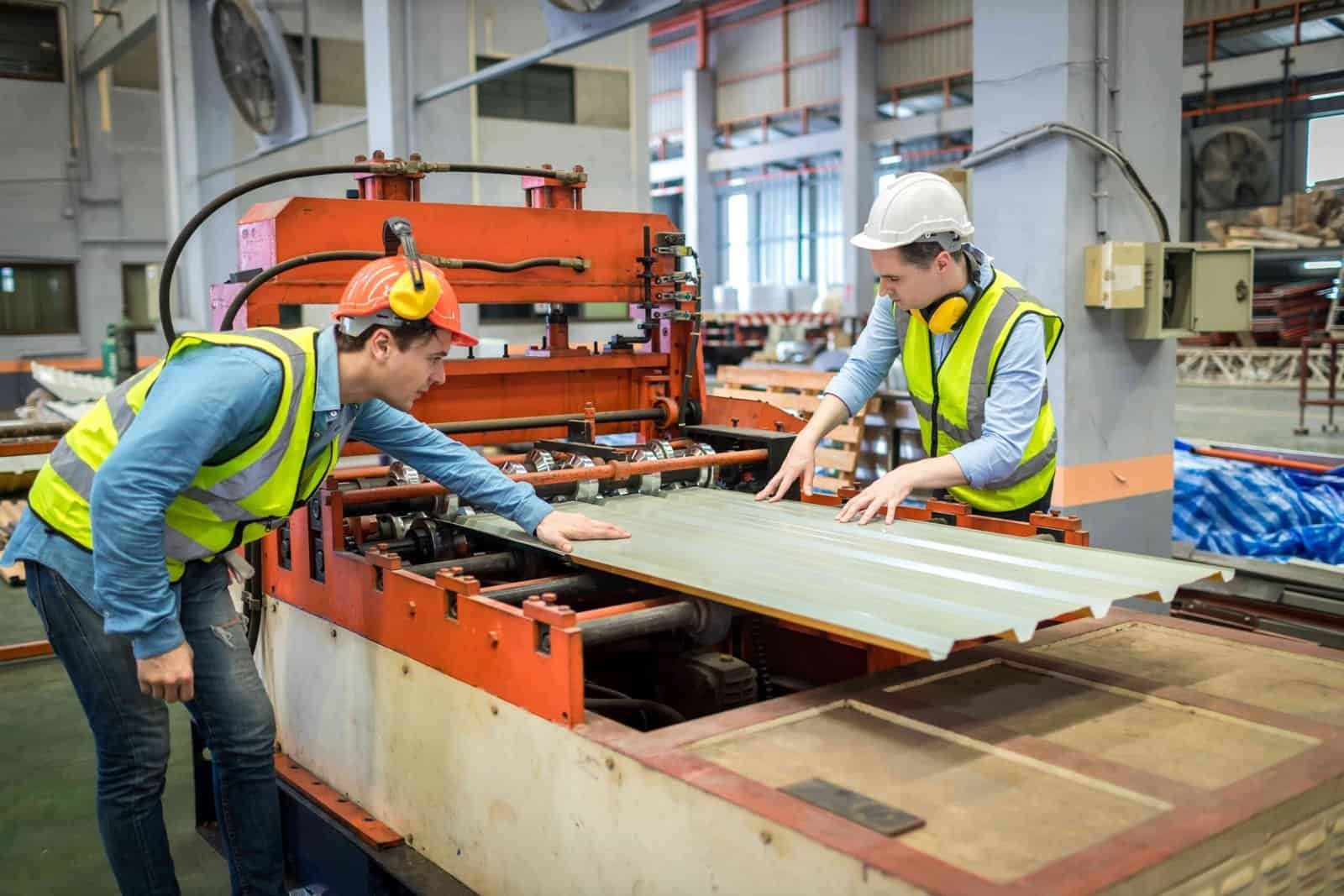
After cutting, panels may be bent, folded, or formed to meet design specifications. Press brakes, rollers, and shaping machines allow for customized angles, curves, and complex profiles. This flexibility makes aluminum panels suitable for architectural facades, equipment housings, and specialized industrial applications.
4. Joining and Assembly
Some projects require multiple panels to be joined together. Welding, riveting, or mechanical fastening is used depending on design requirements. Proper joining techniques ensure strong connections while maintaining the clean appearance of the panels.
5. Surface Finishing
Surface finishing enhances both durability and appearance. Common finishes include anodizing, powder coating, brushing, and polishing. These finishes protect panels from corrosion, extend lifespan, and allow customization with colors or textures for aesthetic or branding purposes.
6. Quality Inspection
Every panel undergoes thorough inspection to ensure it meets dimensional, structural, and surface quality standards. Checking for accurate measurements, surface imperfections, and weld integrity guarantees panels perform reliably in construction, transportation, or industrial settings.
Each step in aluminum panel manufacturing ensures precision, durability, and high-quality performance. Careful material selection, shaping, finishing, and inspection create panels that meet the demands of Canadian industries.
Why Quality Matters in Aluminum Panel Manufacturing
High-quality aluminum panels are essential for reliable performance. Panels that do not meet standards may warp, corrode prematurely, or fail under stress. Quality panels maintain structural integrity, look professional, and last longer, even in harsh Canadian conditions.
Using well-manufactured panels also reduces maintenance costs and ensures installations remain safe and durable over time. By choosing panels that pass strict quality standards, businesses and builders can trust the product will perform as expected.
Applications of Aluminum Panels in Canada
Aluminum panels are widely used across multiple industries in Canada due to their strength, lightweight nature, and durability.
Their versatility makes them suitable for construction, transportation, industrial machinery, signage, and infrastructure projects.
Construction and Architectural Cladding
Aluminum panels are widely used in building facades, curtain walls, roofing, and decorative features. Their lightweight nature and corrosion resistance make them ideal for commercial and residential buildings. Architects often choose aluminum for its ability to be shaped, painted, or finished to meet specific design aesthetics.
Transportation and Mobility
In transportation, aluminum panels reduce weight and improve fuel efficiency while providing strength and durability. They are commonly used for buses, trains, truck bodies, and trailers. Aluminum panels in transportation help lower operating costs while enhancing performance and longevity.
Industrial and Machinery Panels
Industrial equipment often uses aluminum panels for machine guards, enclosures, housings, and protective covers. Aluminum’s strength and resistance to corrosion protect internal components and make maintenance easier.
Signage and Display Systems
Aluminum panels are a popular choice for indoor and outdoor signage due to their flat surface, durability, and ability to hold graphics. Retail displays, road signs, and trade show exhibits benefit from the low maintenance and professional look of aluminum panels.
Renewable Energy and Infrastructure
Aluminum panels are also used in solar panel mounts, support structures, and utility installations. Their lightweight, corrosion resistance, and durability make them a reliable option for renewable energy and infrastructure projects.
Aluminum panels provide a combination of strength, durability, and flexibility that makes them indispensable in Canadian industries.
Their broad range of applications ensures reliable performance across construction, transportation, industrial, and signage projects.
Benefits of Aluminum Panels
Aluminum panels offer numerous advantages:
- Lightweight yet strong: Easy to handle and install without sacrificing structural integrity.
- Corrosion resistance: Ideal for outdoor and harsh environmental conditions.
- Design flexibility: Can be cut, bent, and finished to meet exact project requirements.
- Long service life: Maintains performance over decades.
- Low maintenance: Resistant to rust and easy to clean.
These benefits make aluminum panels a preferred choice for architects, engineers, and industrial designers across Canada.
Conclusion
Aluminum panel manufacturing in Canada requires precision, quality, and attention to detail to produce panels that are strong, lightweight, and corrosion-resistant. At Olympic Tool & Die, we combine years of experience with advanced fabrication techniques to deliver high-quality aluminum panel solutions for construction, transportation, industrial, and signage applications.
Our team works closely with clients to understand their project requirements, providing custom cutting, forming, finishing, and assembly services. We prioritize precision, durability, and performance in every panel, ensuring consistent results that meet industry standards. With strict quality control and attention to detail, Olympic Tool & Die guarantees panels that are reliable, long-lasting, and tailored to your specific needs.
Contact Olympic Tool & Die today to hire expert aluminum panel manufacturers in Canada and get durable, custom aluminum panels that perfectly match your project specifications.
FAQs
What is aluminum panel manufacturing?
It is the process of cutting, forming, finishing, and inspecting aluminum sheets to create durable panels for construction, transportation, industrial, and signage applications.
Why are aluminum panels preferred over steel?
Aluminum is lighter, resists corrosion, and allows easier customization. It is ideal for projects requiring long-lasting, low-maintenance panels.
Can aluminum panels be customized?
Yes. Panels can be cut, bent, shaped, and finished to match specific design, dimensional, or aesthetic requirements.
How long do aluminum panels last in Canadian climates?
High-quality aluminum panels with proper finishing can last decades even in extreme weather, including snow, rain, and temperature fluctuations.
Are aluminum panels suitable for industrial machinery?
Absolutely. Aluminum panels are commonly used for machine enclosures, guards, and equipment housing due to their strength and corrosion resistance.
What types of finishes are available for aluminum panels?
Common finishes include anodized, powder-coated, brushed, or polished surfaces to enhance durability, aesthetics, and performance.